

Someone asked a big AI forum a quiet question this week: of all the AI gadgets people talk about, the pins, pendants, glasses and rings, which ones do you actually use every day? The thread did something surveys never do. It separated the conversation about products from the use of products, and the second list was brutally short.
Almost everything that dominated launch week coverage was missing. What survived was unglamorous: transcription, a dictation shortcut, maybe a camera trick someone uses for work. The gadgets had not failed at being impressive. They had failed at week three.
What is the nightstand test?
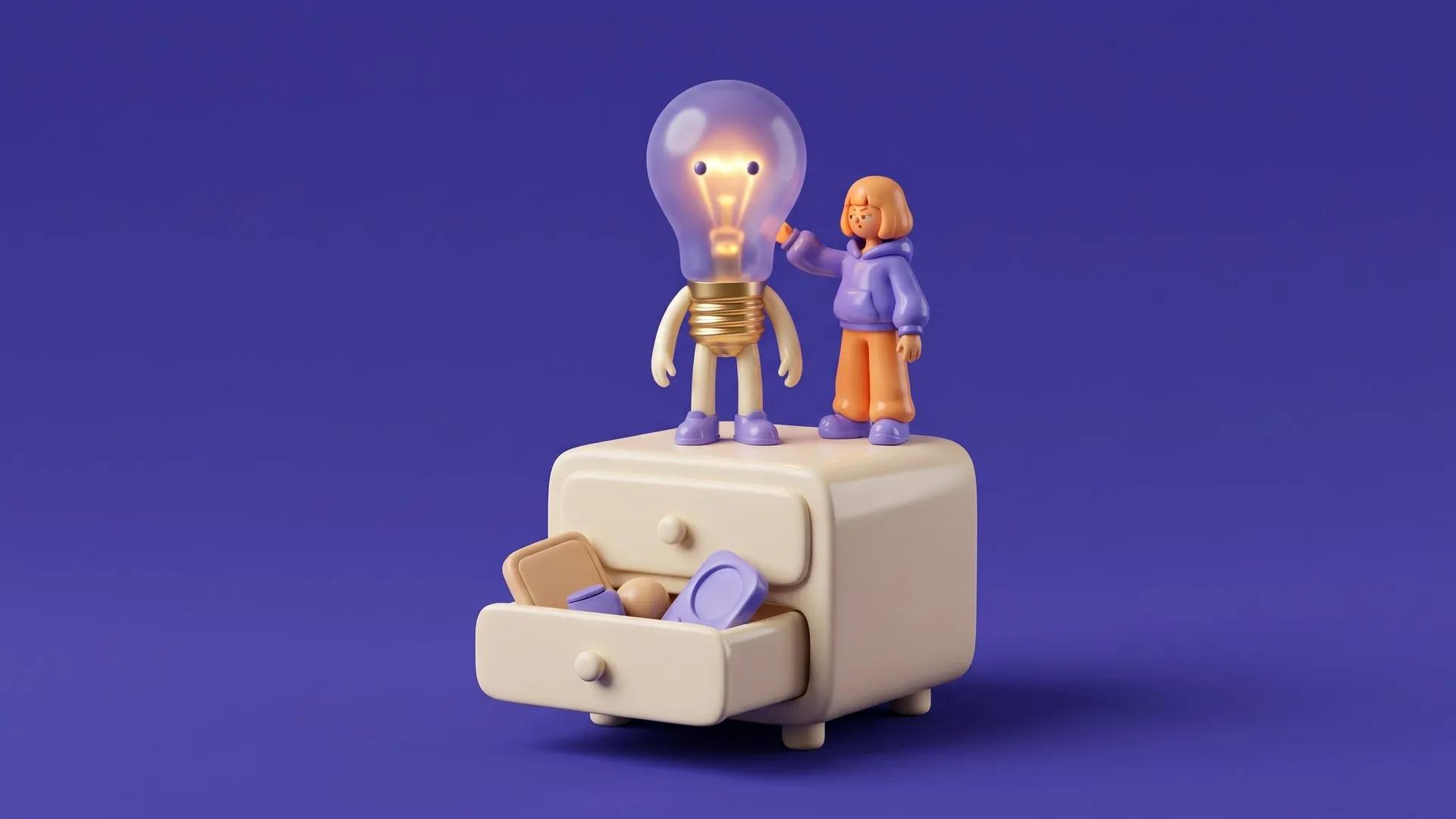
It is the simplest behavioural question you can ask about a product: after the novelty is gone, does it still sit within reach? On the nightstand, in the dock, on the home screen's first page, in the browser bar. Position is a fossil record of use. Nobody keeps a dead gadget next to their bed, and nobody buries a tool they reach for twice a day.
The test matters because praise and use are two different datasets. Praise is generated in public, costs nothing, and rewards the speaker socially. Use is generated in private, costs time and attention, and rewards nobody. When founders collect evidence, they almost always collect the public dataset, because it is the one that volunteers itself.
Why do impressive products fail the test?
Because a demo answers a different question than a habit does. A demo asks, can this amaze me once. A habit asks, is this cheaper than what my hands already do. Most AI gadgets lost to a phone that was already in the pocket, the same way most workflow tools lose to a spreadsheet that is already open. The incumbent is not a competitor, it is muscle memory.
Founders hear wow at the demo and record it as demand. The nightstand records something else: the wow decayed in days, and the reach-for-it reflex never formed. Both observations are true. Only one of them is revenue.
How do you measure week three?
Not with a survey, because people honestly misremember their own usage, and not with a launch metric, because launches measure curiosity. The signals that count are boring and dated: a second purchase, a renewal that went through without a discount call, a usage log where the same account shows up in week one and week four, a customer who noticed downtime before you did. Each one is a stranger voting with behaviour after the excitement wore off.
If a product is too early to have week-three data, the honest move is to say so, and to treat every compliment as what it is: a measurement of the demo. The nightstand will vote later, whether or not anyone asks it to.
Key takeaways
- Praise and use are two different datasets, and only use predicts revenue.
- Position is a fossil record: what stays within reach is what is actually wanted.
- A demo measures amazement once, a habit measures value repeatedly. Validate the habit.
- Week-three signals are boring and dated: reorders, quiet renewals, the same account back in week four.
Why this today: an AI forum thread asked which AI gadgets people actually use daily, and the everyday list turned out to be a fraction of the talked-about list.